mom preparing the factor and her son ready to receive factor VIII.
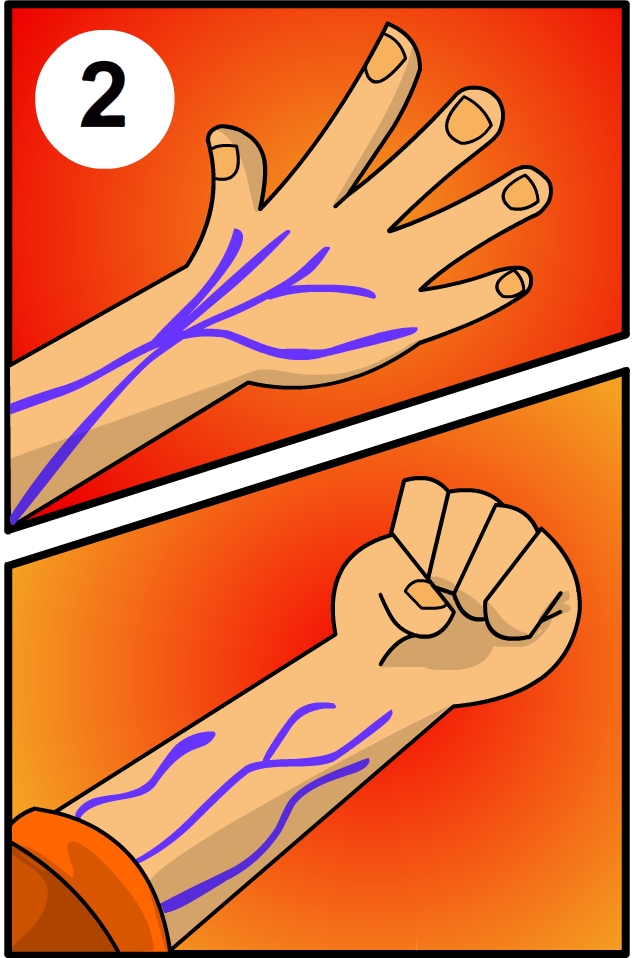
finding the good veins for self-infusion

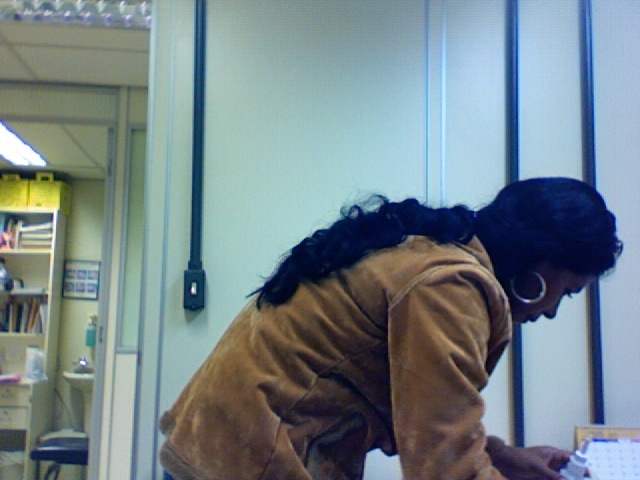
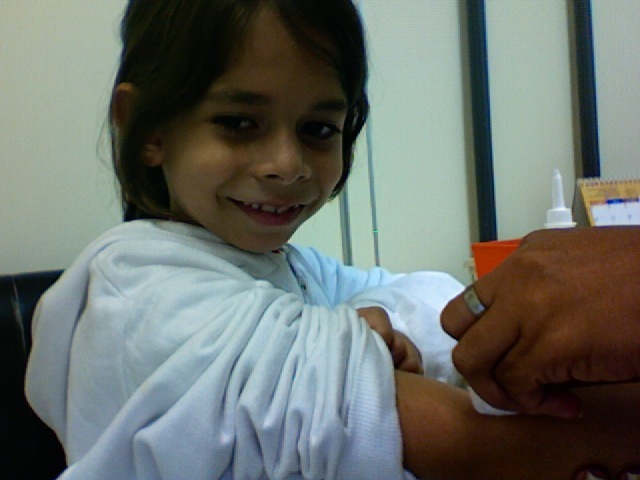
finding the good veins for self-infusion
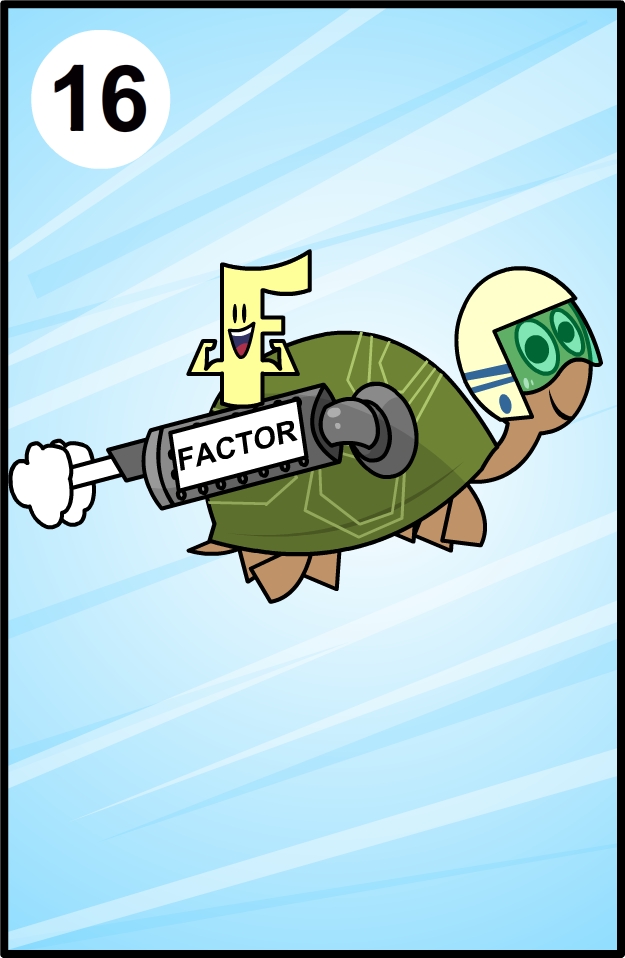 mamãe preparando o fator e menino prestes a receber o remédio, no caso fator VIII. Achar uma boa veia para infundir o fator é muito importante! e assim a coagulação está normalizada graças à presença do fator 8 na quantidade certa no sangue…
Steve BLOOM in Untamed…. a Green Iguana from Honduras, uma iguana verde de Honduras.
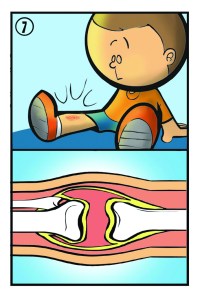
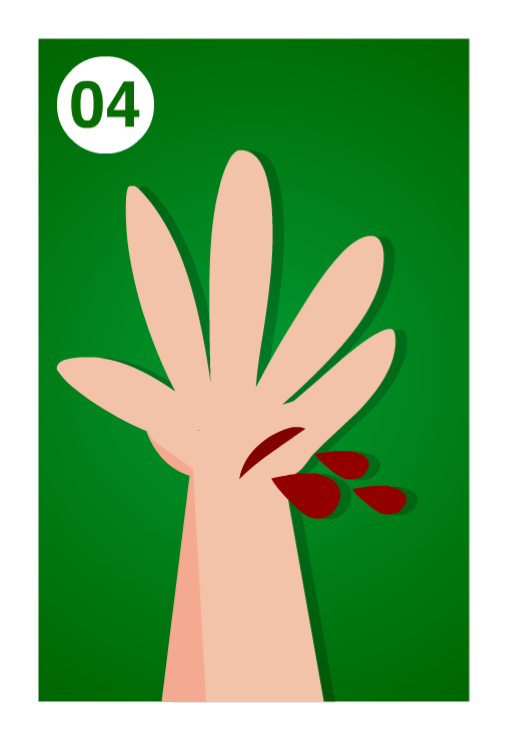
joint safe and clear…just a scratch
 Cada dia é uma oportunidade para “encarar” este mundo nosso, com seus momentos malucos de alegria ou de penas…momento de revisão, re-visitação onde o velho de ontem pode ser incorporado ou descartado…o novo pode ser bem recebido ou evitado…muito depende de nosso olhar. Abraço!
Today he is 29, he is working, in love, have friends, manages his right knee …he lives his life as a whole…with a smile, with the same spirit when i met him as a 10 years old boy!
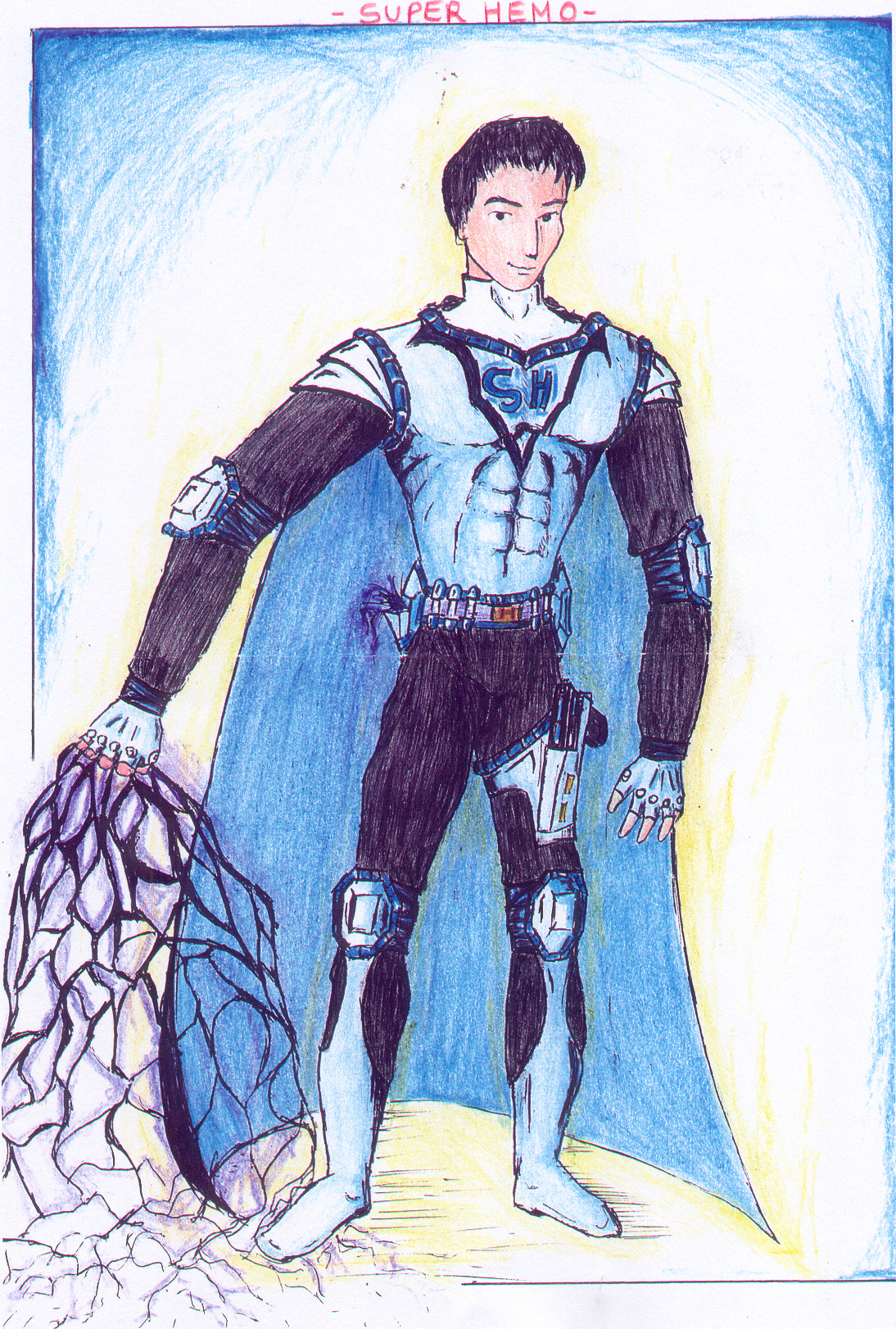 Clovis, quando 15, desenhou este Super herói , o SUPER HEMO para representar o desejo de seus coleguinhas do grupo no Hospital das Clínicas: estávamos imaginando como seria ser um super herói com hemofilia!!! Ele seria um cara que ajuda! útil para sociedade, com recursos de proteção tanto para ele (joelheiras e cotoveleiras e fator na cintura a vontade) como para os outros: munição de Plaquetas para ajudar a sarar rápido uma ferida, uma rede de fibrina para pegar os maus!
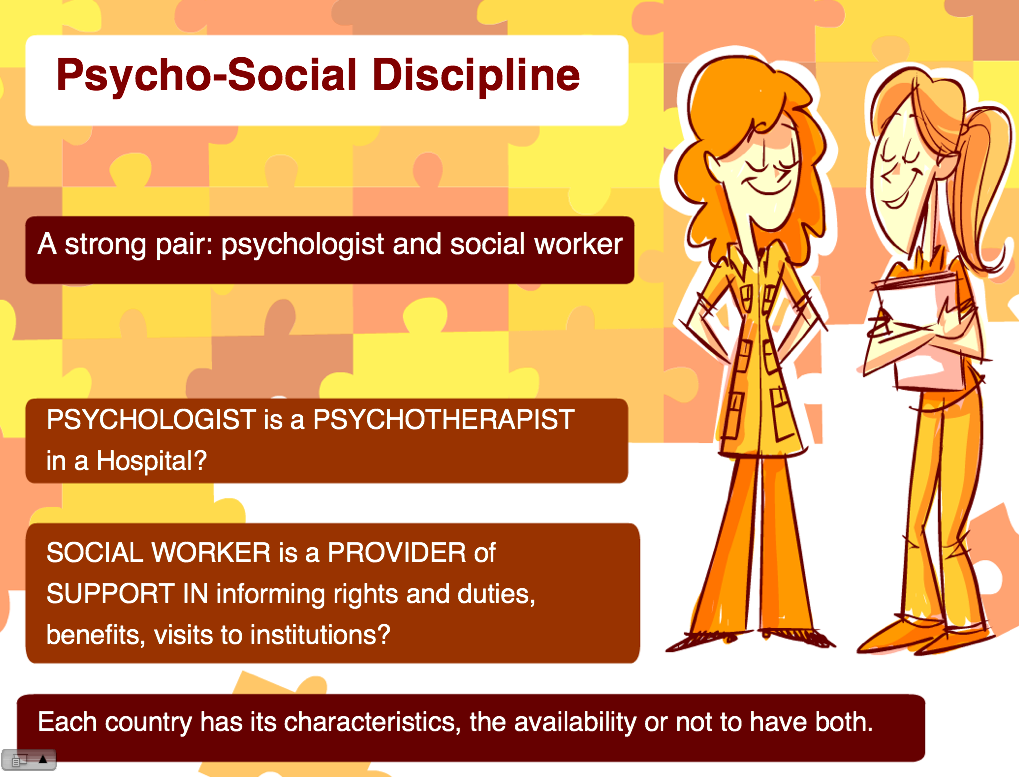
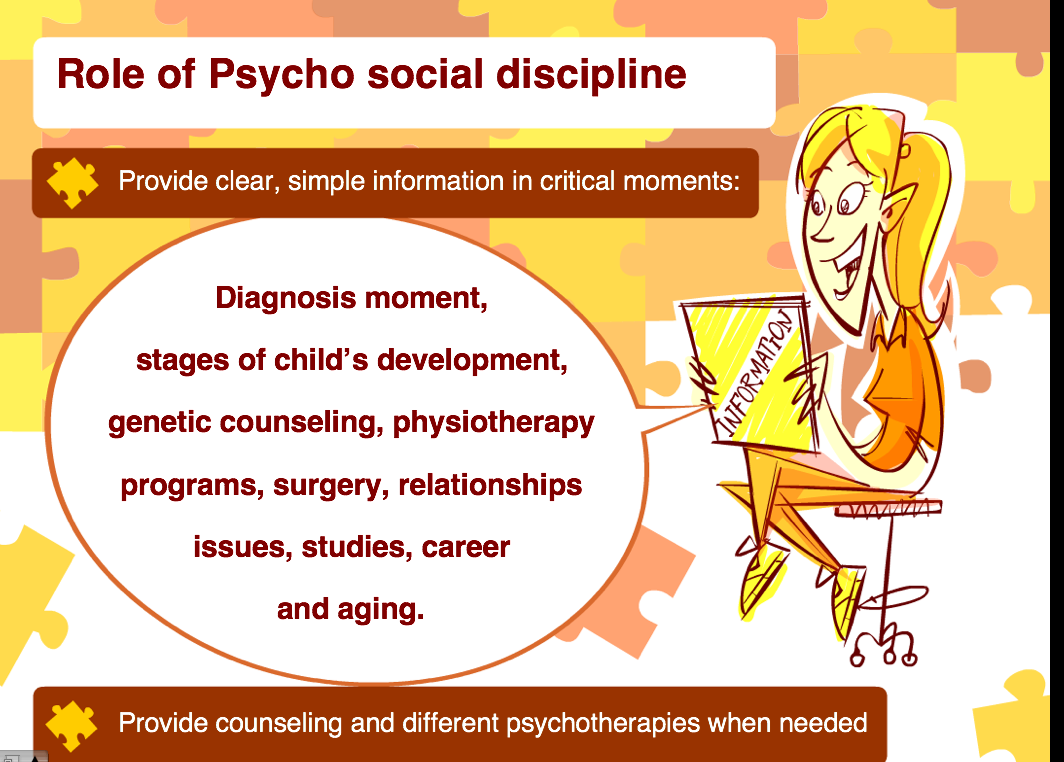
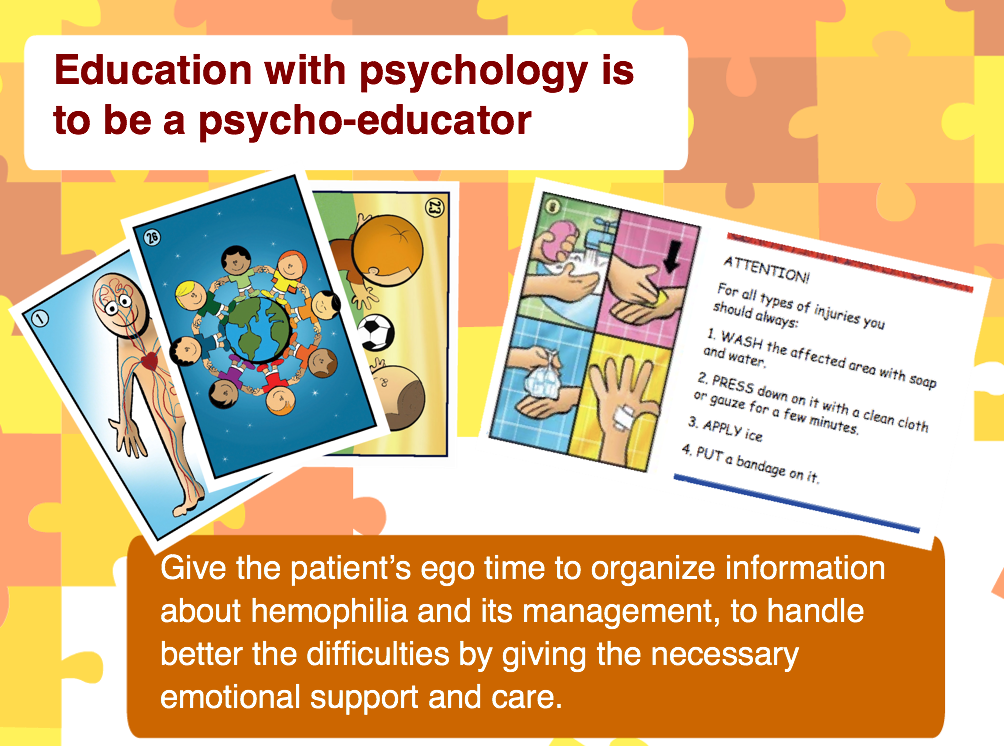
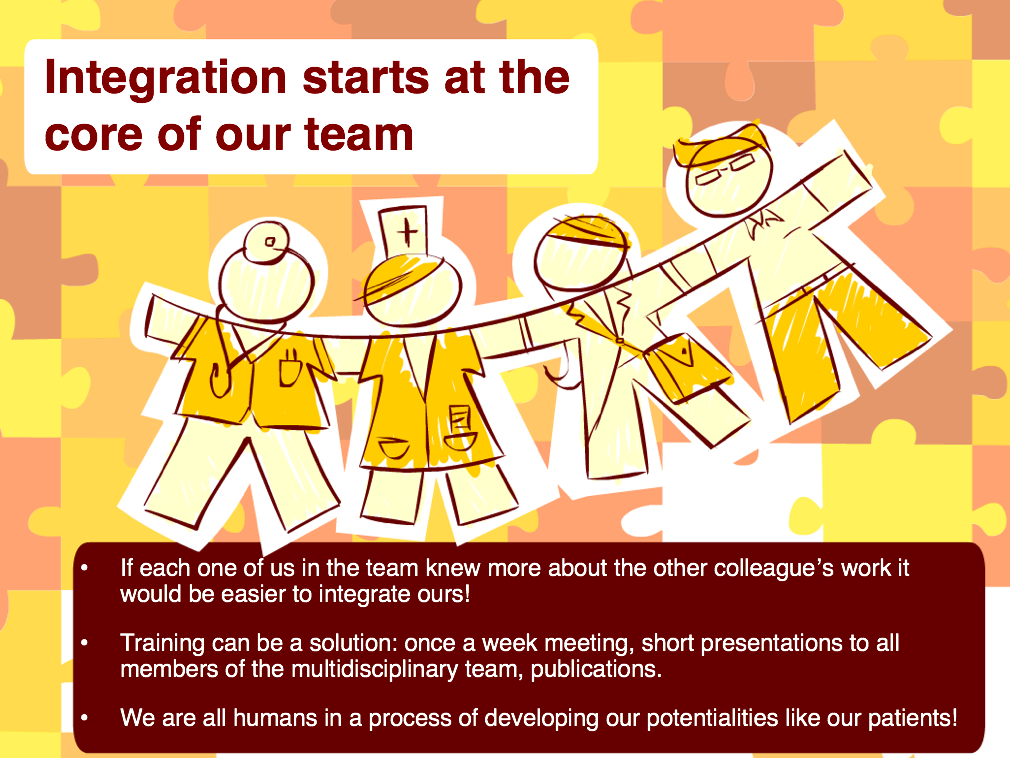
Gosto muito desta velha apresentação feita em 2010, no Congresso Internacional de Hemofilia em Buenos Aires: proponho olhar para o conceito de ser um Psico -Educador como agente que aborda os temas psicosociais, atende a pessoa com hemofilia e seus familiares, más desde uma perspectiva Educacional: INFORMAR PARA FORMAR novas atitudes e comportamentos relacionados à uma condição crônica ….que possam nos ajudar a viver melhor e mais felizes.



 when a child smiles is so overwhelming…a moment of grace. At the hospital, I have seen kids smile when they play, when they joke, when they are receiving factor replacement therapy even when they are in pain.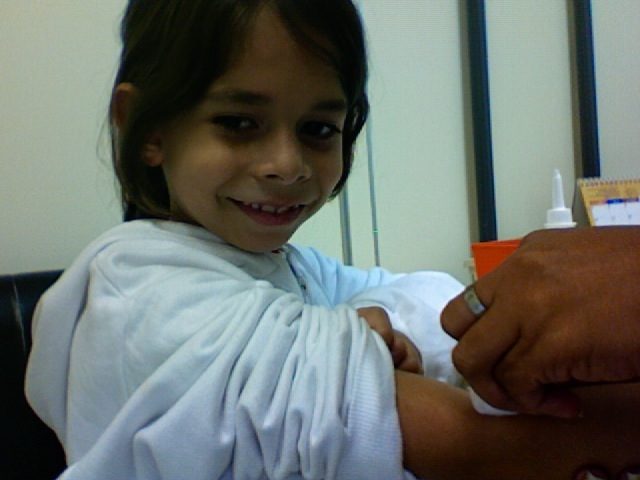
SMILING IS SPONTANEOUS BUT CAN ALSO BE LEARNED…. we can learn to be more lovable. 🙂
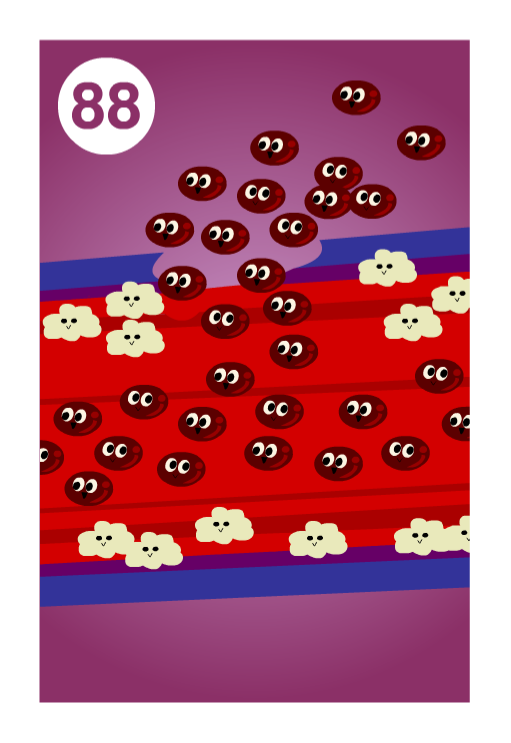
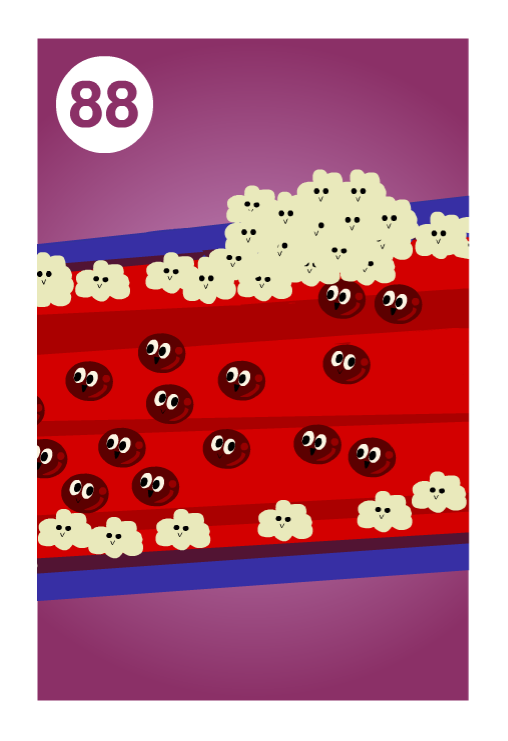
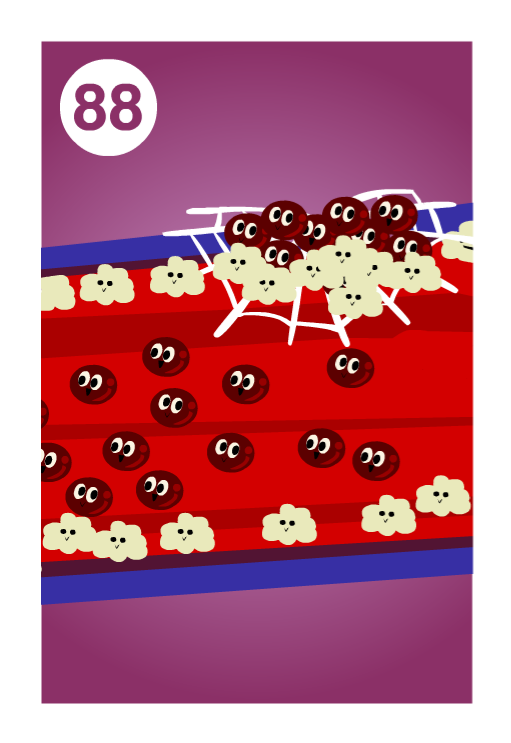 o SANGUE é sim VERMELHO e é aparentemente LIQUIDO mas ele está repleto de células como um mar cheio DE VIDA!!
 B
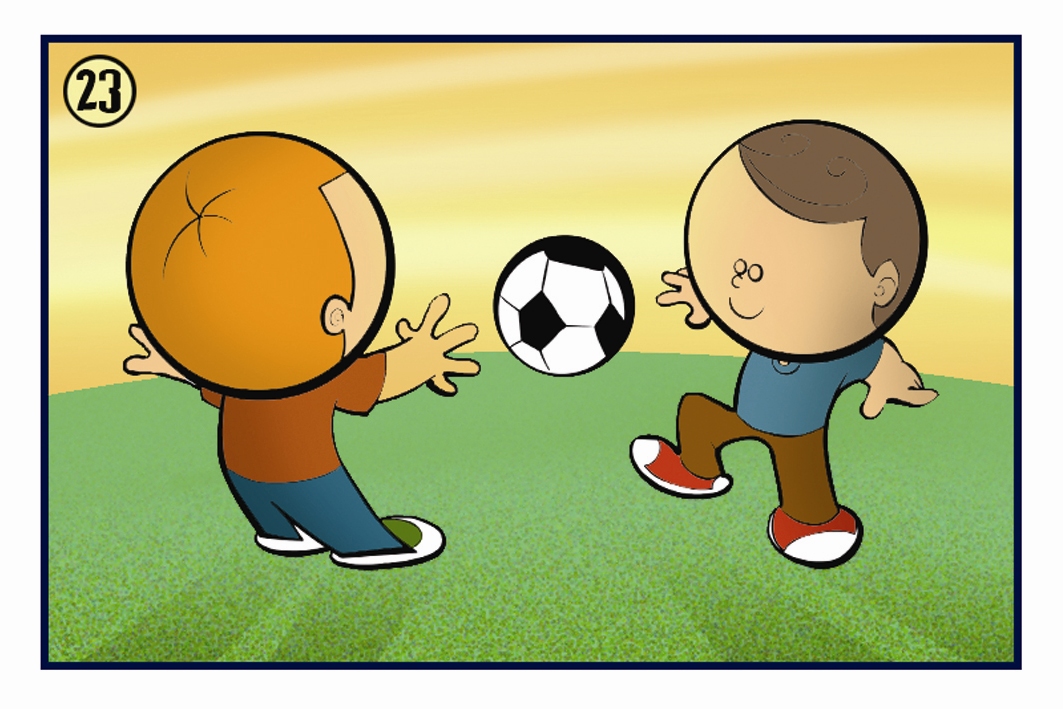
BSo, unless he is on a prophylaxis program it is recommended to play ball with one friend or a parent, always with sneakers and on a ground like grass or sand.
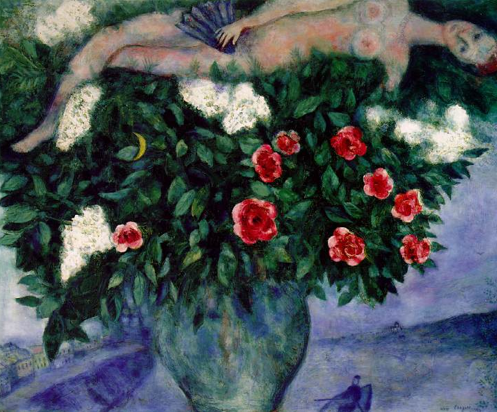
Marc Chagall
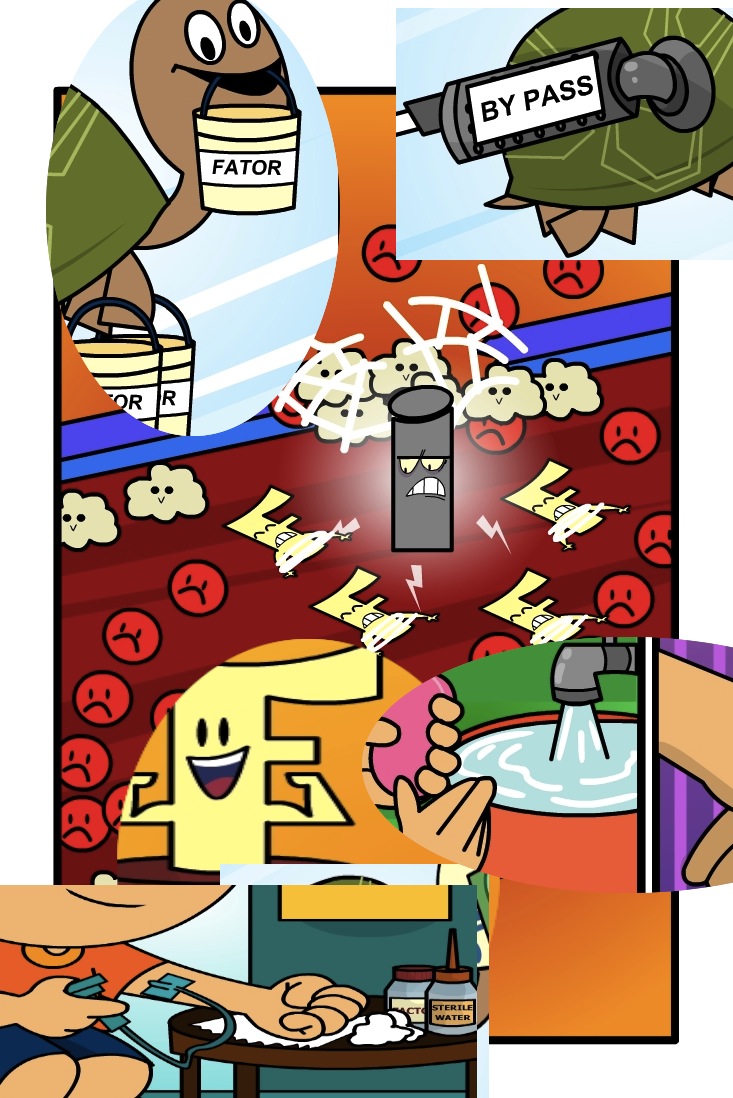
Pot-Pourri :new aspects of hemophilia: dealing with Inhibitors
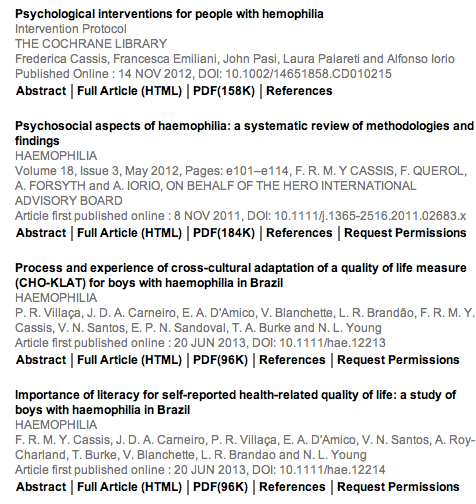
my latest articles these past two years…
i am very pleased to have learned a lot, shared my experiences of work…and be able to publish. I thank all the involved in the process.
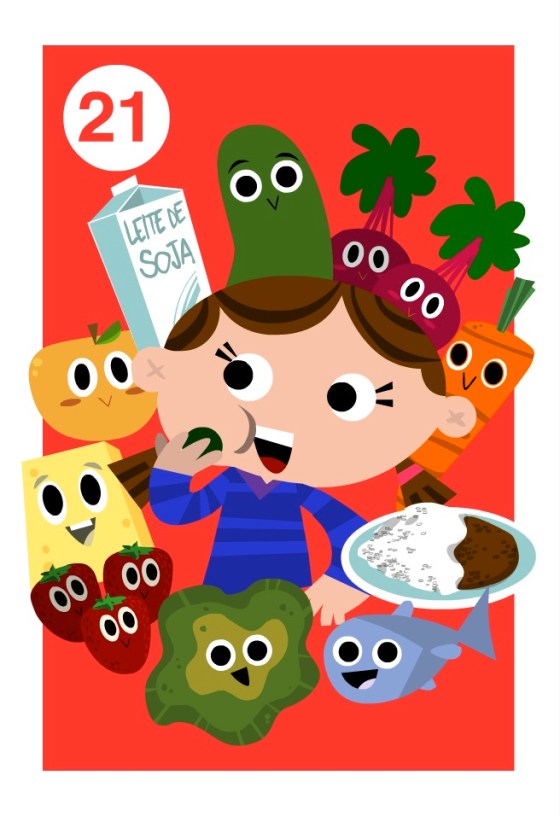
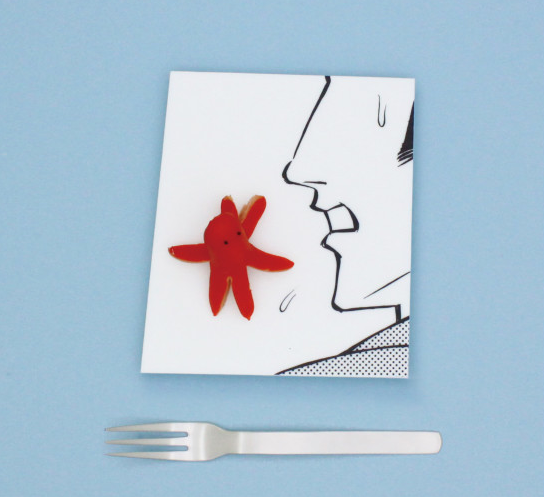
Like in comics, inspired in mangá style, this young artist mixtures food with drawing. Tsutai- san , 22, says that her intention was to estimulate people’s imagination. Mika tem 22 anos, e realizou estos desenhos para decorar marmitas…o objetivo : provocar a imaginação das pessoas , dice. Misturando alimentos de verdade com seus desenhos tipo mangá…a mistura ficou genial! Here for example, I know that the ritual of the Tea Ceremony requires that you cut with you right hand the sweet in several small pieces to put one by one in your mouth!! not a punch! 🙂Normalmente na ceremonia do chá, você deve cortar com a mnao direita o doce em várias partezinhas antes de colocar na boca! não dar SOCOS 🙂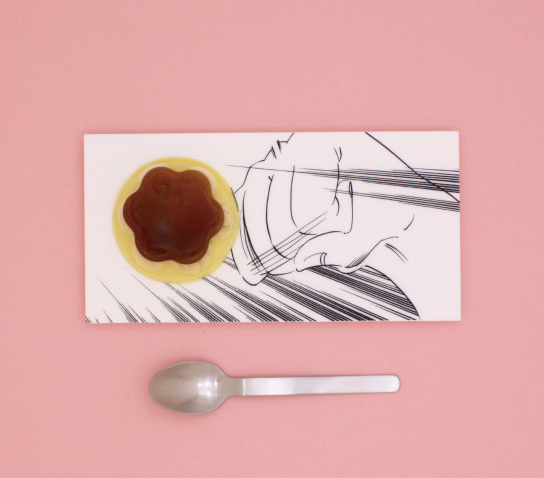
Rafael Felipe was so excited to see himself in my laptop video…he is 4 and loves memory game with Hemoaction.
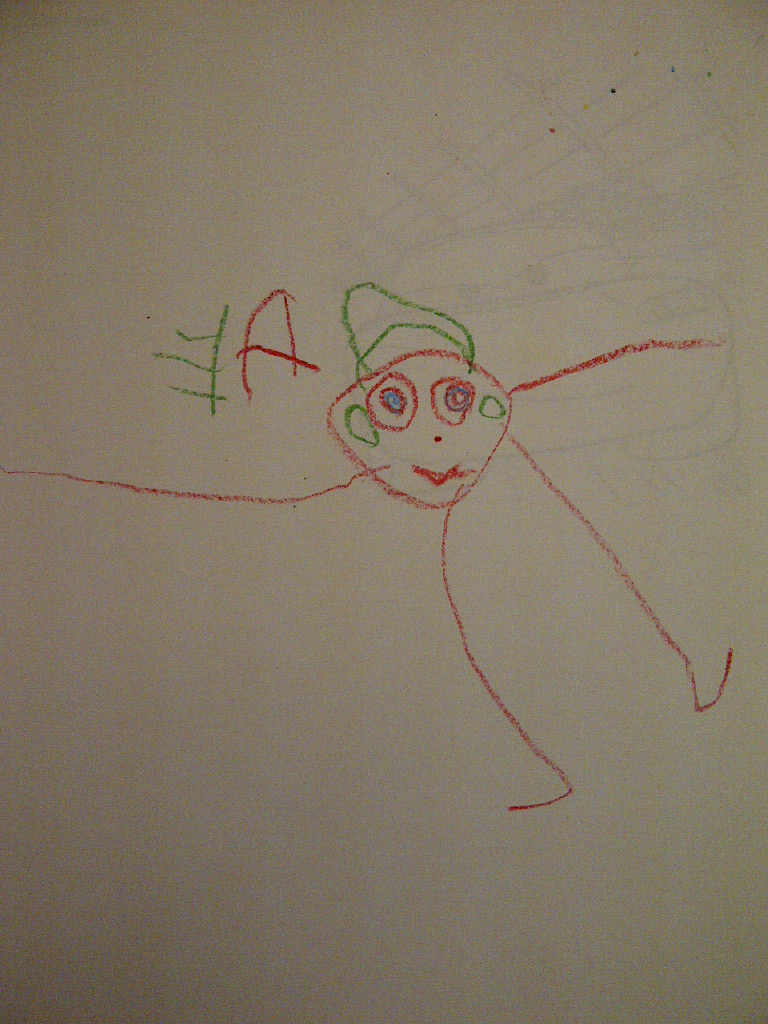
Just to explain in a simple way: if an hemophiliac has “inhibitors” it means that his blood doesn’t clot with the regular factor 8 or 9 replacement the immune system has reacted against the factor and see it as a strange ” dangerous” presence in blood. So, the solution to first stop the bleeding is : to use another thing called BY PASS AGENT that helps clotting and solve the bleeding problem.
Another intervention is to eradicate the inhibitors and this can be done successfully with the called Immune tolerance inductive therapy: a big amount of factor is delivered into the blood stream making the immune system get use to the factor and no more reacting against. So, most of the kids who developed inhibitors will have big chances to not have them with the treatment available.

IMMUNE TOLERANCE TREATMENT AND BY PASS AGENT : to be continued…these are just drafts!!!
Nowadays, we have specific fator replacement and we can put a catheter to relief the tiny and fragile veins of our babies.
The emotional aspect of it is ….acceptance and have a pro active attitude ! I can accept i have something not functioning in my body and in my mind (which are so much connected and mixtured) and after acceptance quit or face it gently and with courage
I am almost finishing the preparation of flash cards for INHIBITORS and topics related! IN-HEMOACTION 🙂
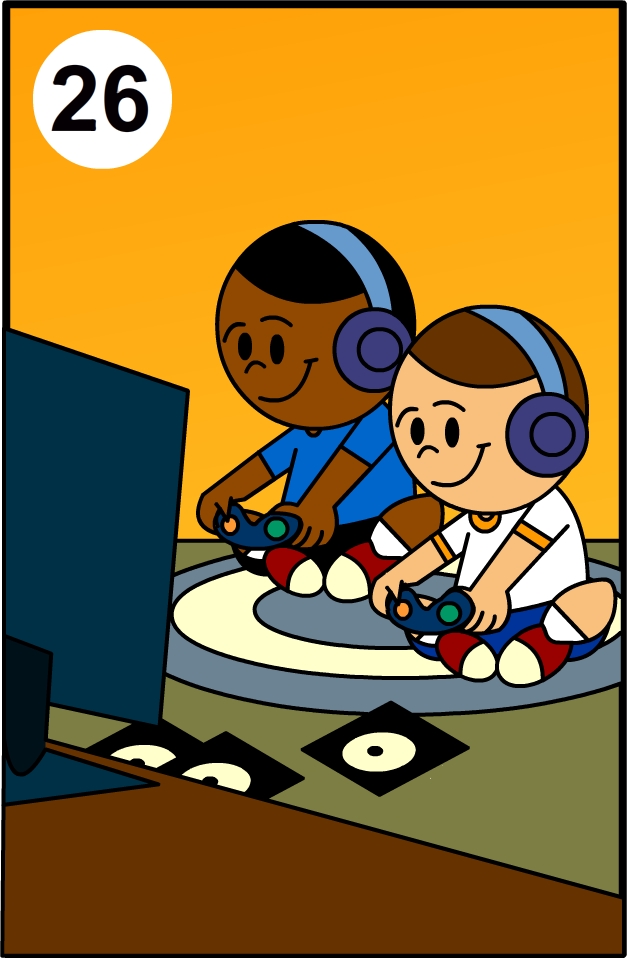
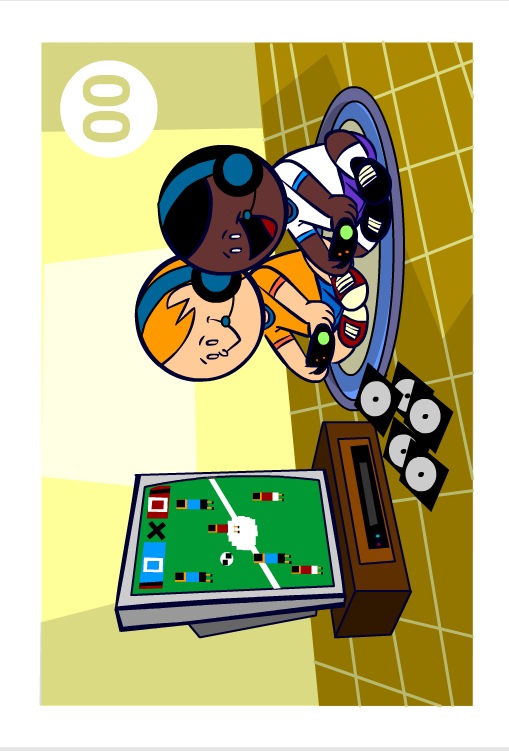
video games : a good option and kids just love them!…and are good at them 🙂
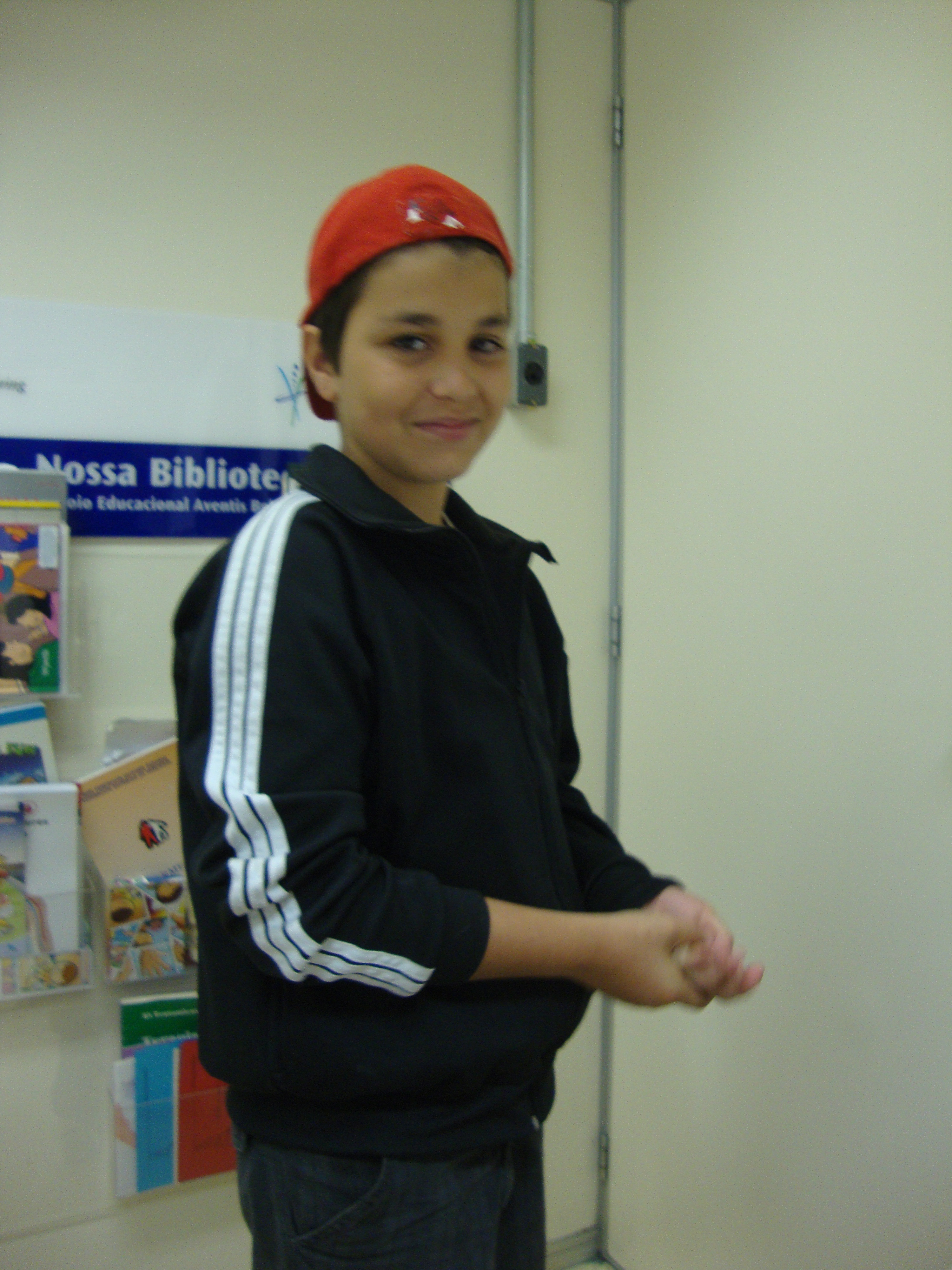 GABRIEL IS 14 , AND USED WHEN BABY 3 YEARS a Port-a-cath catether UNDER THE CHEST’s SKIN WITH SUCCESS!